PRODUCT DISPLAY
CONTACT US
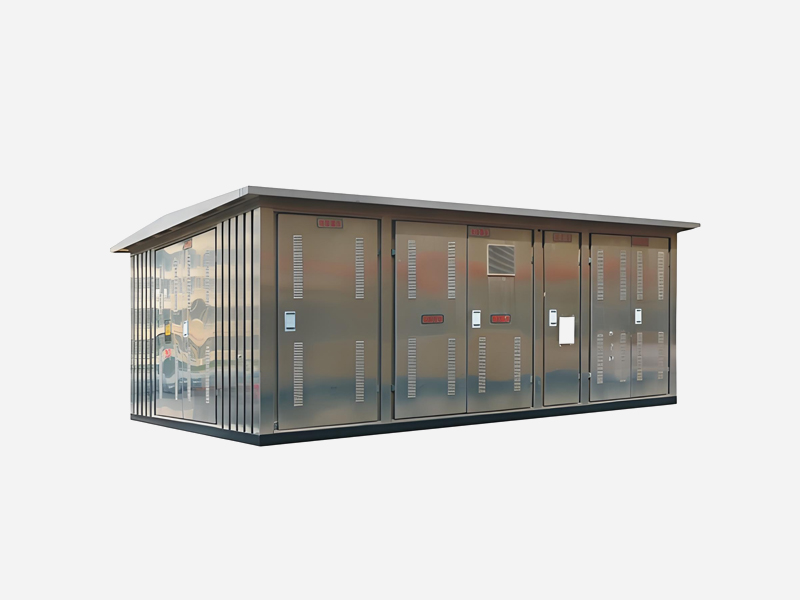
Container-type Substation
Product Parameters
Definition and Classification
Definition:
A container-type substation (commonly referred to as a "pad-mounted substation" or "box substation") is a compact, integrated electrical equipment unit that combines high-voltage switchgear, distribution transformers, low-voltage switchgear, metering devices, and reactive power compensation units into one or several enclosures according to a specific wiring configuration. It performs key functions such as voltage transformation, power distribution, and system protection.
Classification:
There are two main types: European-style and American-style container substations.
Structural Components
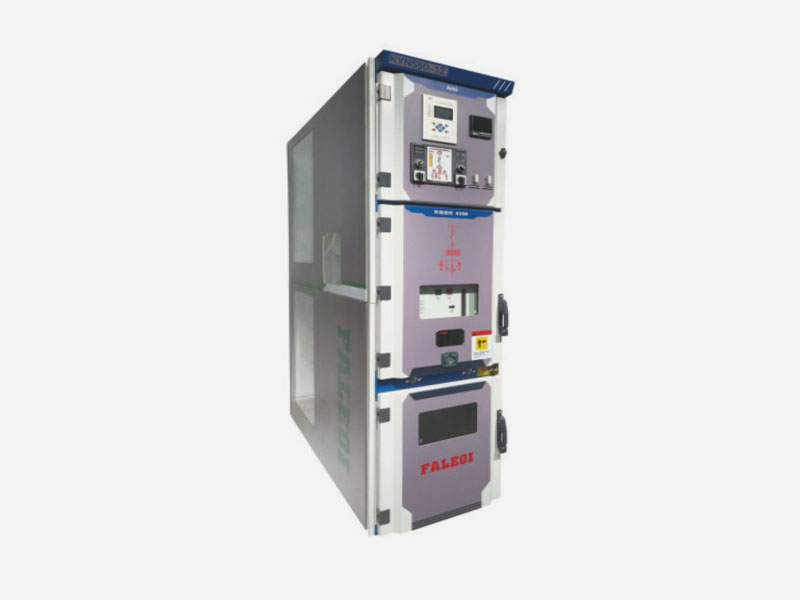
High-Voltage Compartment:
Contains key equipment such as high-voltage switchgear, ring main units (RMUs), load switches, fuses, disconnectors, and earthing switches. It performs functions including circuit switching, control, and protection within the power distribution system.
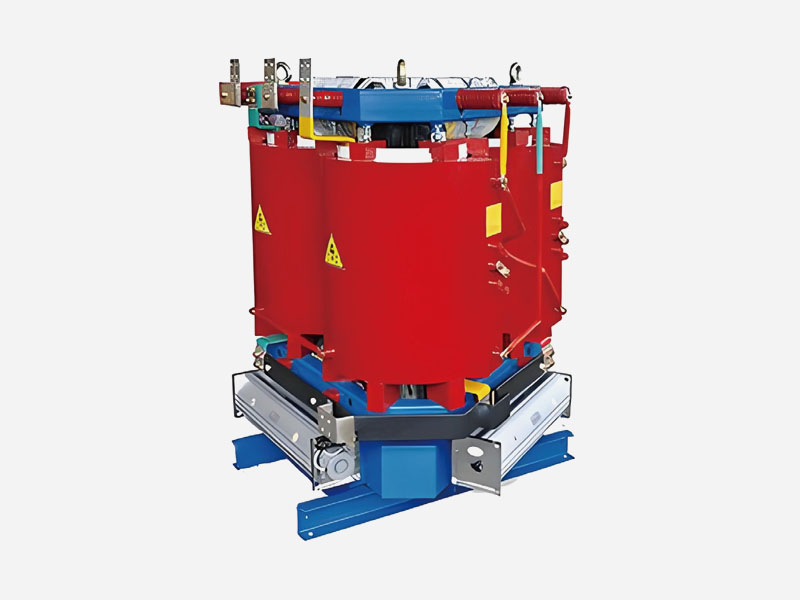
Transformer Compartment:
Houses the main equipment—the distribution transformer—which is responsible for stepping down high-voltage current to low-voltage current to meet the power requirements of various electrical loads. Additionally, it includes busbars and enclosed connecting conductors.
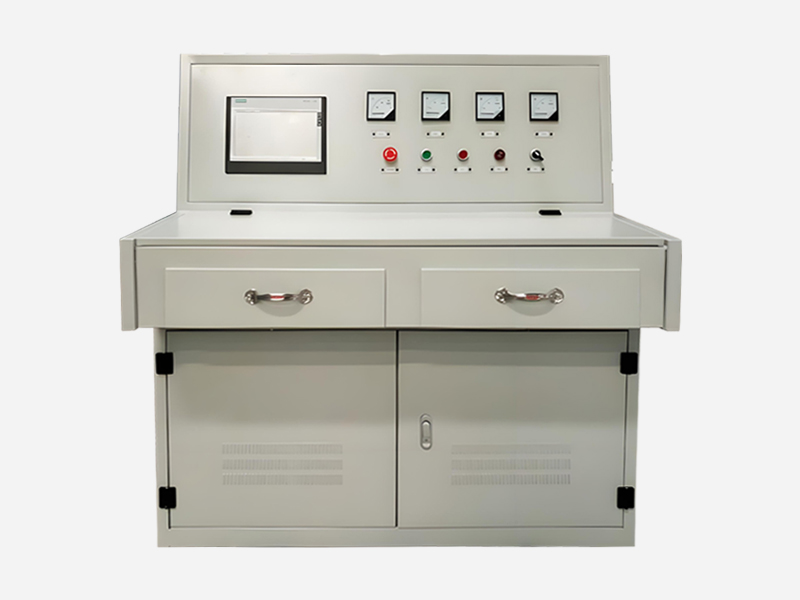
Low-Voltage Compartment:
Composed of low-voltage switchgear and low-voltage feeder circuit breakers. Its primary function is to distribute the low-voltage output from the transformer to different electrical loads or downstream distribution networks.
Working principle
Voltage transformation: Inside the box-type substation, the transformer converts the high voltage from the transmission line into a lower voltage suitable for end users through the principle of electromagnetic induction.
Power distribution: Through power distribution equipment such as switchgear, circuit breakers, and disconnect switches, the on/off control and allocation of electrical energy are managed, delivering the low-voltage alternating current output from transformers to various electrical loads or distribution networks.
Protection: Container-type substations are equipped with various protective devices, such as overload protection, short-circuit protection, and ground-fault protection. By monitoring parameters such as current and voltage, these systems can promptly detect faults in the power system and activate corresponding protective measures to ensure the safe and stable operation of the electrical system.
Product Features
Compact footprint: Compared to traditional civil-construction substations, container-type substations feature a compact structure and small volume. Their land area is typically only a fraction—sometimes even smaller—of that required by conventional substations, effectively conserving valuable land resources.
Flexible configuration: Electrical equipment units adopt a modular design, allowing flexible combinations based on different application requirements and wiring schemes, thus meeting diverse power supply system needs.
Easy installation: Container-type substations are fully assembled and pre-commissioned in the factory. On-site installation involves only simple tasks such as positioning the enclosure and connecting cables, significantly shortening construction time and improving construction efficiency.
Aesthetic appearance: The exterior of the enclosure is usually carefully designed and can be customized according to the surrounding environment, enabling it to blend harmoniously with the local landscape and minimize visual and environmental impact.
Low investment cost: Due to reduced civil engineering expenses, shortened construction periods, and lower maintenance costs over time, the overall investment cost of container-type substations is relatively low.
High level of intelligence: Modern container-type substations are typically equipped with intelligent monitoring systems that can monitor equipment operating status and power parameters in real time. They support remote operation and data analysis, enabling intelligent management, thereby enhancing operational efficiency and maintenance standards.
Application areas
Urban power grid renovation: In densely populated areas such as city centers, commercial districts, and residential neighborhoods, these systems are used to replace outdated substations or increase power supply capacity, meeting the growing electricity demands of urban development while improving urban aesthetics and land-use efficiency.
Industrial parks: Providing reliable power supply for various industrial and manufacturing enterprises within industrial parks, these systems can be custom-configured according to the load requirements of different businesses, ensuring stable and reliable power delivery.
New energy projects: Such as wind farms and solar power stations, where they enable the integration, conversion, and distribution of renewable energy. They convert the electricity generated from new energy sources into appropriate voltage levels suitable for transmission through the power grid and end-user consumption, while enabling effective energy management.
Mining sites and industrial facilities: Supplying electrical power for mining operations and factory production processes, meeting the power demands of production equipment and ensuring smooth and uninterrupted operations.
Construction sites: Serving as temporary power sources during construction, providing electricity for construction equipment, lighting, and other needs on building sites. These systems offer advantages such as easy installation and mobility, allowing flexible repositioning in response to changing construction progress.